define('WP_CACHE', true); //Added by WP-Cache Manager define( 'WPCACHEHOME', '/home/drhershoff/sangngak.com/wp-content/plugins/wp-super-cache/' ); //Added by WP-Cache Manager SangNgak

Home

Tsewong Rinpoche

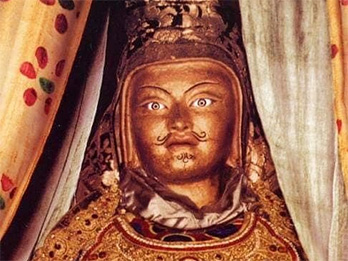
The Lineage of Pegyal Lingpa

SangNgak Chokor Ling is a center for Tibetan spirituality that brings the remarkable practices and power of Vajrayana into the flow of daily life. This path integrates the deeper goal of enlightenment, reaching the full potential of consciousness and open heart, with the practical needs of material living.

This tradition is not new; Since the entry of Buddhism into Tibet, there have been two distinct approaches and lineages of spiritual work. On the one hand, the great monastic lineages of India were established in the land of Snows, and literally thousands of institutions were built to house celibate monks and nuns. Here they lived in relative isolation from the turmoil of daily life. While this allowed a focus on spiritual practices, it also was a dichotomy, limiting the relationship of spirituality to common life experiences. As the Tibetan Buddhist traditions entered the Western mainstream, many teachers and potential students have been unable to bridge the gap between a cloistered Tibetan context and the vibrant, chaotic world of the modern West.

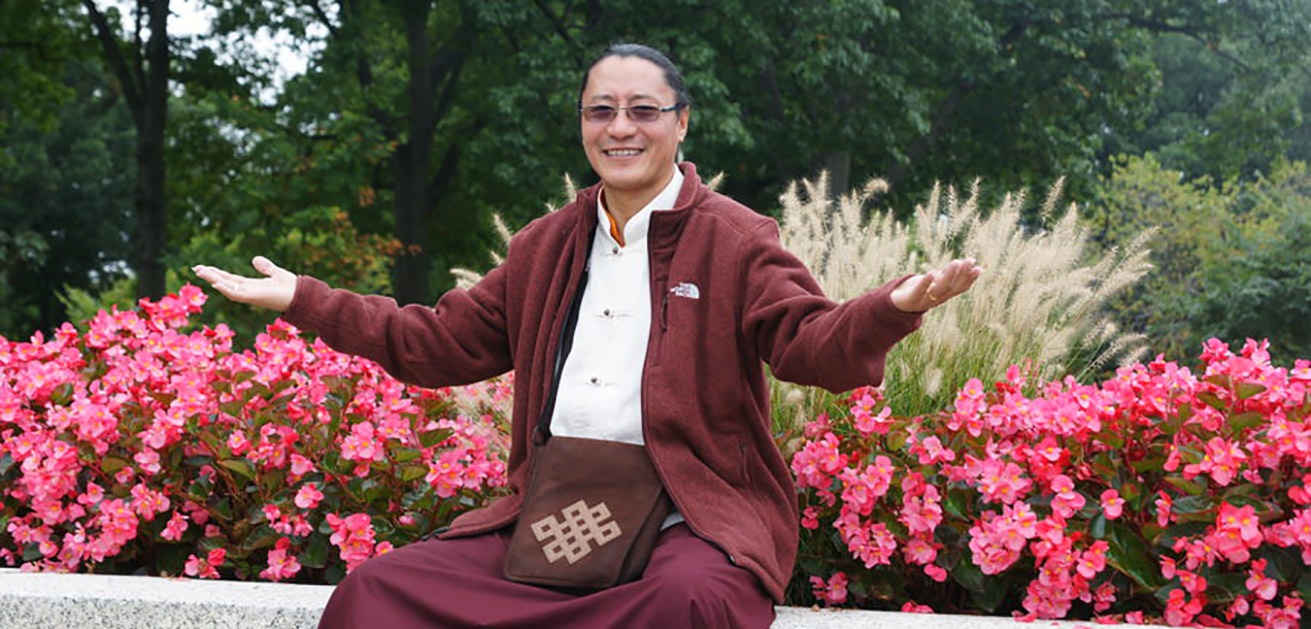
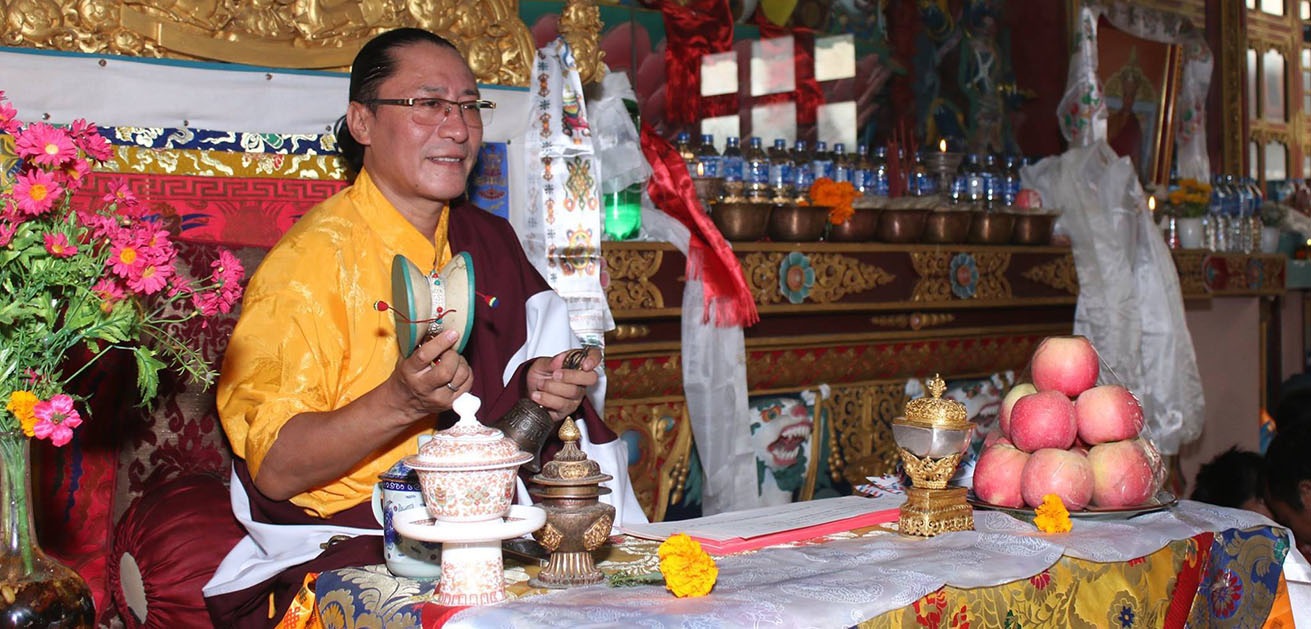
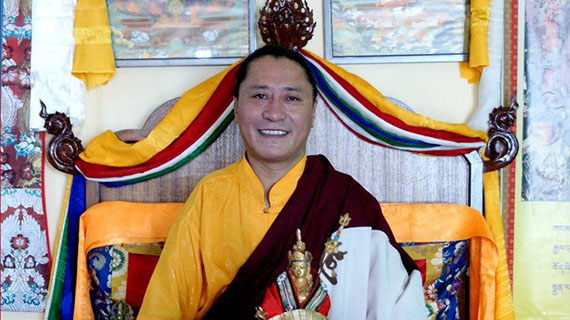
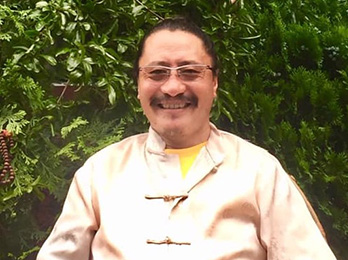
Tsewong Sitar Rinpoche is a master of the Nyingma tradition of Tibetan Buddhism, trained in the Ngakpa traditions since early childhood. His goal is to bring these teachings and practices to the West in an accessible form, adapted to daily life.

The Ancient Way

On the other hand, the siddha and tantric traditions of India, and the mendicant tradition of Taoism in China, also entered Tibet from the 8th century onwards. These approaches to yogic action in daily life came to be known as the way of the Naljorpa (yogi) or Ngakpa (mantra speaker), along with the corresponding terms of Naljorma (yogini) and Ngakma for female practitioners. This tradition teaches the the application of the profound truths and practices of Secret Mantra Path with all our actions and intentions of daily life. The constant difficulties and challenges we face then become an endless fuel for the brilliant fire of enlightened body, speech and mind. Such an approach is obviously well suited to our time, where demands of an engaged life make a monastic approach both impractical and thus meaningless. This path is not limited by sexist, classist or other cultural foibles that were detrimental to the spiritual path, even in old Tibet.
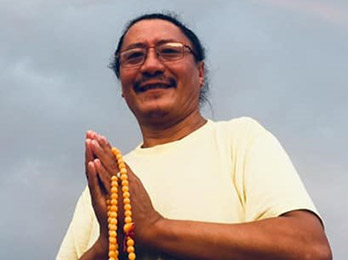
Tsewong & Jinpa

Ngakpa Training

In order to provide a full training in the householder, yogic traditions of the Ngakpa to Westerners, we have developed a five year program. This step-by-step approach or “lam-rim”, allows a progressive development of ritual skills and meditative practice. Each Level includes a spectrum of methods, that together forms a solid basis for daily practice. Once familiar with such a regimen, we begin to understand how it begins to merge and integrate with our everyday routine, enhancing and enriching the material, emotional and spiritual dimensions our lives. Further modules build on each previous training, introducing more advanced and sophisticated “sacred technology”, eventually providing a complete spectrum of tools for daily living.

We can then draw on these as needed, with the ability to use whatever is appropriate to time, place, activities and life stages. At such a level, the student may also be able to teach and train others in the art of sacred living. The brief outline below shows the framework of the program; Click on the icon to see a more comprehensive explanation, or contact us for more details.

Relative and Ultimate

One of the greatest fallacies of spirituality both East and West is the artificial split between the spiritual and the mundane, between our highest aspirations and our hum-drum daily lives. We have been taught for literally centuries, that these two aspects of humanity are somehow irreconcilable, and that if one wants to live in the world, there is little one can to do to progress spiritually or worse, that the path of the householder is somehow inferior to the full time monk, nun, priest, lama or what-have-you. This has caused generations of people to lose hope, in the mistaken belief that everyday life is somewhat of a spiritual wasteland. Or that desiring family, success, happiness or human love is unspiritual….But nothing could be further from the truth!

And even though this mistaken belief may still be held by many spiritual people, it is simply an incomplete level of understanding of the vast potential of the human soul and our path of transformation. That path is not in some far off jungle, or a yoga retreat in the Himalayas. It is right here and right now.

We neednt go into all the political, social or philosophical reasons why this split between the spiritual and material came to be. And while this kind of division has value in limited situations, where we want to temporarily isolate ourselves from the world or its inhabitants, the long term effect is negative, as it only deepens our feeling of internal division. And in any case, in our contemporary world, is literally impossible to artificially distance ourselves from the immediacy of our lives.

Playing ChodDaily Spirituality

While these truths are pointed at here and there, the Tibetan spiritual traditions are a particularly rich treasure trove of knowledge and skills for integrating spiritual power into ones daily life. Through simple meditation, mantras and visualizations, one can increase ones health, personal power, wealth, success, clarity, wisdom, healing ability and much more. This is not for self-inflation, but to makes us far more effective instruments for helping others, and in making this planet the refuge it could be. We are at a threshold now, where inaction, or ignoring are no longer options. Through powerful and effective spiritual practices we can become the warriors of spirit that create fulfilment, happiness, peace and meaning for whomever our lives

We can then draw on these as needed, with the ability to use whatever is appropriate to time, place, activities and life stages. At such a level, the student may also be able to teach and train others in the art of sacred living. The brief outline below shows the framework of the program; Click on the icon to see a more comprehensive explanation, or contact us for more details.


ANY CHARACTER HERE

Level 1: WAY OF LAND HEALING

Tibetan Land Healing

DISTANCE LEARNING

ANY CHARACTER HERE

Level 2: WAY OF DEITY YOGA

Yidam 2:  Vajrasattva of PeGyal Lingpa // Lion-faced Dakni
Chod 2: Changbu healing practice
TsaLung 1: Lung Ro, Jam lung and Yoga of the 3 places
Offering 2:  Mountain Sang (Riwo Sang Chod)
Protector 2: Torma & SerChem
Bodhisattva Vows

ANY CHARACTER HERE

Lotus

Level 3: WAY OF THE DAKINI

Yidam 3: Tsa Sum: three roots practice
Chenrezig: Stirring the depths of samsara
Phurba
Offering 3:  Sang offering to Samsara & Nirvana
Chod 3:  Short Chod Tsok
TsaLung 2:  Great Vase breathing
Ngakpa ordination: The 14 Tantric vows

ANY CHARACTER HERE

Bell

Level 4: WAY OF THE PROTECTOR

A comprehensive look a the theory and practice of Protectors within Tibetan Vajrayana Buddhism.

Theory: the nature of protectors, purpose, origins,

Torma practice, serchem practice

Solka, Kangwa, Shakpa and other types of protector rituals.

Short and  Long Protector practices, protector mantra, yidam-protectors.

ANY CHARACTER HERE

Level 5: WAY OF TIBETAN YOGA

Yidam 5:  Shinje
Dzokchen 2:  Illuminating Mind
Tsa Lung 4:  meditation on channels and chakras


Ngondro Download

Charitable Donation

Remote Chod

Distant Healing

Dharma Bhutan

Tumo and Trulkor Journey to Bhutan

Damaruworks

Authentic Sacred Implements

Chod Distance Learning

Ongoing Distance Learning