SAN FRANCISCO
July 26 - 27, 2008
Saturday & Sunday
other dates to be announced

Yidam 2: Red Vajrasattva
Yidam practice is possibly the most accessible and powerful spiritual technique on earth. First appearing in the tantric crucibles of Southern and Northwest India from the 4th-8th centuries, these methods were brought to a high level of sophistication and development in the mountain ranges and high valleys of Tibet.
Vajrasattva, pure white in color, is an intrinsic part of the Preliminary or Foundation practices, a form of karmic purification necessary before entering into more advanced practices. But Vajrasattva is also a yidam practice in its own right. This particular profound treasure of Red Vajrasattva was concealed by Padmasambhava in the eighth century at a sacred site in Padmakod in southern Tibet. Drodul Padgyal Lingpa, an incarnation of one of Padmasambhava’s heart disciples, Nub Sang-gyay Yeshe, revealed this cycle in 1960, during a period of great upheaval and change. The cycle is known as the Union of Enlightened Intent of the Three Kayas, and the inner sadhana practice is that of Red Vajrasattva. The red color of the deity indicates that there is a strong relationship to the speech center, the energy body (sambhogakay), and the Pema or Lotus Buddha Family.
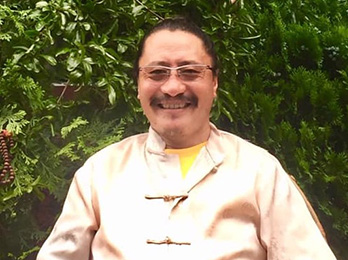
Tsewong Rinpoche, Pegyal Lingpa's lineage holder, has said: "the Red Vajrasattva practice has the ability to accomplish in a brief time a tremendous amount of spiritual progress. It is known, for example, that a seven-day Red Vajrasattva accomplishement retreat (drub chen) can accomplish benefits similar to those gained in a traditional three-year retreat. Red Vajrasattva is therefore the most effective way to engage in Buddhist practice and to bring benefit and happiness to living beings. In general, the afflictive mental states (greed, anger, delusion, pride, envy, etc.) of those involved in the Red Vajrasattva accomplishment practice are reduced and eliminated. In the long-term, the sublime state of Buddhahood will be gradually attained."
Chö 2: Changbu Offering
PeGyal Lingpa's chöd terma was received as a visionary instruction from MaChik Labdron, the creator of the remarkable practice of cutting through obstacles and attachments. The changbu offering is an effective healing ritual, inserted into any longer daily chöd. It relies on the use of specialized offering substances: 108 hand tormas (dough effigies), wash water and pieces of meat. These act as a container for all our accumulated negative karma, confused emotions and fixed patterns of mind. We transfer all these toxic factors into the effigies, and perform the changbu chöd ritual, greatly magnifying and increasing the extent of our accumulation of merit and wisdom. The four guests, particularly the lower guests—the demons and obstacle-makers allied to us through our karmic actions—recieve all they need or desire.
The practice serves many powerful purposes. For the practitioners themselves, offering changbu on a daily basis, or as part of a retreat intensive, helps clear many deep-seated life obstacles. Performed for others, it is a unique and effective healing practice. The PeGyal chöd and changbu rituals have the advantage of being brief and easy to perform for both oneself and others. They contain the rich blessing stream coming directly form MaChik, through the treasure revelation of PeGyal Lingpa. These were transmitted, in turn, to Tsewong Rinpoche, his dharma heir and lienage holder.
Yidam/Dakini: Lion-Faced Dakini
The Lion-faced Dakini practice, Sengay Dongma (or Simhamuka in Sanskrit) is an crucially important practice for our well-being in these difficult times. The embodiment of Feminine Wisdom, SengDong is both Dakini and Yidam, expressed in the extremely wrathful form of a lioness.
Considered to be the secret form of Vajrayogini, Lion-faced Dakini also has a realtionship to Troma and the practice of chöd. She is appropriate for clearing obstacles of the most pervasive and malignant kind, and cutting through the "three poisons" of mind. This ancient practice has been important in Tibetan Buddhism since the time of Guru Rinpoche. PeGyal Lingpa recieved this revelation directly from Padmasambhava, appearing in a red-black form, instead of the more common dark blue manifestation. This indicates that this is the inner form of the yidam, allied to the Pema family.
Sengdongma is particularly focused on pacifying the destructive inlufence of the Mamos, the forces of distrubed "yin" or feminine demonic energies. The wanton destruction of the environment and degredation of human culture greatly stirs up and enrages these elemental force. They retaliate with disease, epidemics, weather disturbances and calamaties on a major scale. This practice is one of the great antidotes for this critical time of the "five degenerations."
Apart from its mantra recitation, Sengdongma practice contains the element of "dokpa" or reversal of negativity. Accompanied by the clapping of hands (bringing earth and heaven together), negative conditions, sickness and misfortunes of all kind are turned away and averted, so that they never manifest or disturb the tantric practitioner's health, wellness or spiritual progress.
Offering 2: Riwo Sang Cho
Smoke offerings are a way of repaying vast karmic debts, as well as sanctifying and pacifying the environment where we do our spiritual practice, where we eat, live, work and play. Four Classes of Guests. This includes both the highest guests, representing all enlightened beings, Buddhas, male and female realized masters and so on. It also extends to all sentient beings: human, animal, and those suffering the greatest hell-like existences, as well as those in the tender trap of false luxury in god-like wealth and richness.
The Riwo Sang Chö (Mountain of Smoke Offerings) is a special terma of Namkha Jigme, and though it originated in the Nyingma sect, is practiced by literally every lineage of Tibetan Buddhism. Its language is highly refined and multi-layered, describing the whole offering process in the context of the highest Dzokchen view. Riwo Sang Chö offers us a way to change the energy dynamics of our home and environment, as well as bringing every kind of supportive factor to our aid.
Bodhisattva Vows
Participants of Level 2 will have the extraordinary opportunity to take their Bodhisattva Vows with Tsewong Rinpoche. These vows, which are the basis of both Mahayana and Vajrayana practice, are a commitment of compassion and love towards all sentient beings. This is the Bodhisattva ideal, the actual vow to not enter Nirvana until all other beings have accomplished the spiritual meaning of their existence. In practice this means that our own spiritual state and sense of peace are not limited by any taint of selfishness. In Vajrayana we need not see this as a dichotomy or sacrifice, since we can have both full realization and full compassion simultaneously, living in the world as a free spirit, yet tending to the suffering and confusion of limitless sentient beings lost in the ocean of samsara.